
The Meaning of Family Beyond the Nuclear Ideal
Bridget Jones: Mad About the BoyThis thread follows the novel’s challenge to the polished nuclear-family ideal through widowhood, unconventional households, friendship, and a newly blended family.
increasing Bearing strength in each event
 decreasing
Bearing strength in each eventdecreasingThe Ideal Family Image
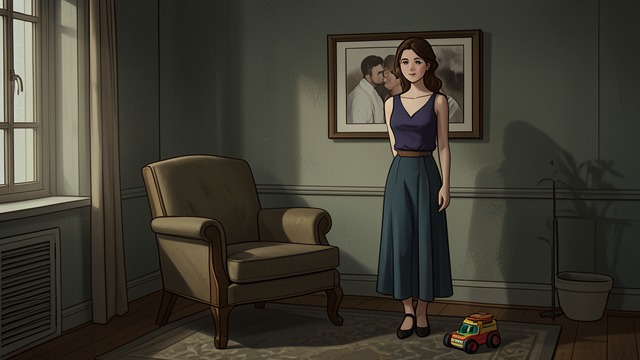
Comparing Households
A Missing Partner
Bridget often sees couples and two-parent families as evidence that her own family is incomplete. School routines and holidays repeatedly remind her that she must make decisions Mark once shared.
A Narrow Definition
The ideal she imagines leaves little room for widows, single parents, or friends who raise children in unconventional homes. Her loneliness is intensified by the belief that family must take one particular form.
Rebecca’s Household
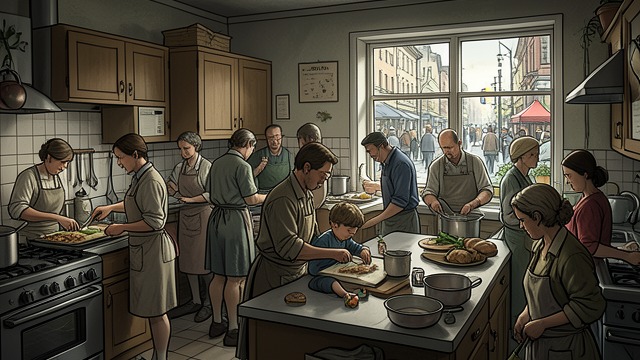
A Less Conventional Model
A House Full of People
Rebecca’s home is eccentric, busy, and often chaotic, with children, visitors, and a partner who is frequently away. It does not resemble the orderly family ideal Bridget associates with security.
A Real Community
Despite its disorder, Rebecca’s household offers companionship and shared childcare. Bridget begins to see that family life can be sustained through flexible bonds rather than a perfect image of domestic stability.
The Lonely Parent’s Network
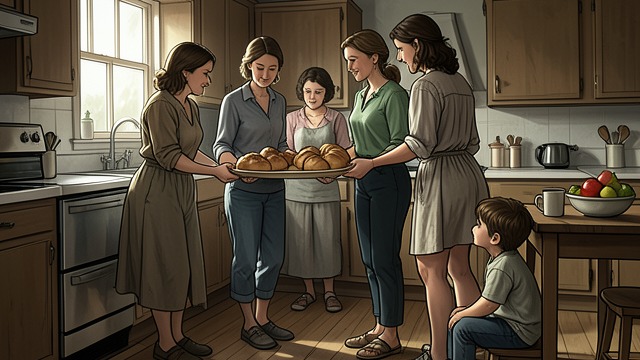
Care Distributed
Friends and Neighbors
Magda, Rebecca, school parents, and friends help Bridget navigate holidays, play dates, and school events. Support comes in small practical acts rather than a single replacement for Mark.
A Village Takes Shape
The children move between homes and friendships, finding companions beyond their immediate household. The village model of care becomes a lived reality, even though it cannot remove grief or logistical strain.
A Father in the Present
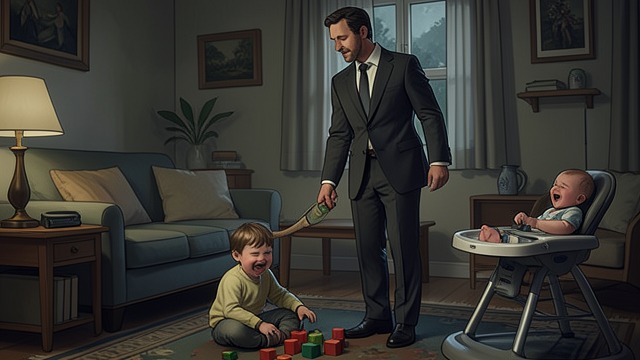
Scott Joins the Family
A New Attachment
Scott’s relationship with Bridget develops through the children’s school and through moments of practical support. His care offers a fatherly presence without asking Billy and Mabel to forget the father they lost.
A Blended Household
Scott’s sons become part of Bridget’s family life, giving the children new siblings and company. Family expands through commitment and everyday care rather than a wedding or a single ceremonial declaration.
A Home That Holds Everyone
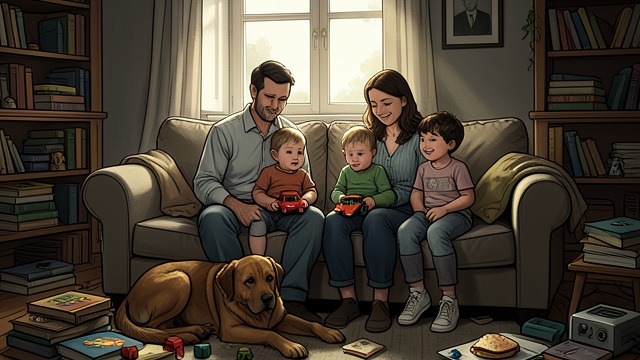
A Messy Shared Life
More Than Two Children
Bridget and Scott live with four children in a house near Hampstead Heath. The household is busy, imperfect, and still frequently late, but its responsibilities and affection are shared.
Family as Practice
The ending measures belonging through school walks, play, discipline, humor, and care. Mark remains remembered, while the new family gives the children a father who is present in their daily world.
2012 diary period
September 2012
Christmas 2012 to summer 2013
December 2013
The final outcome
